Beet pulp in cattle diets: digestible fibre is not forage
Compare dried, wet and molassed beet pulp, calculate dry-matter costs and distinguish digestible fibre from physically effective forage fibre.
Beet pulp can be a useful cattle feed ingredient, but the word “fibre” does not fully describe its role. Product form, moisture, added molasses and ration structure all affect a purchase. This guide helps define the material and intended use before a quotation becomes an order.
1. Establish which product you are buying
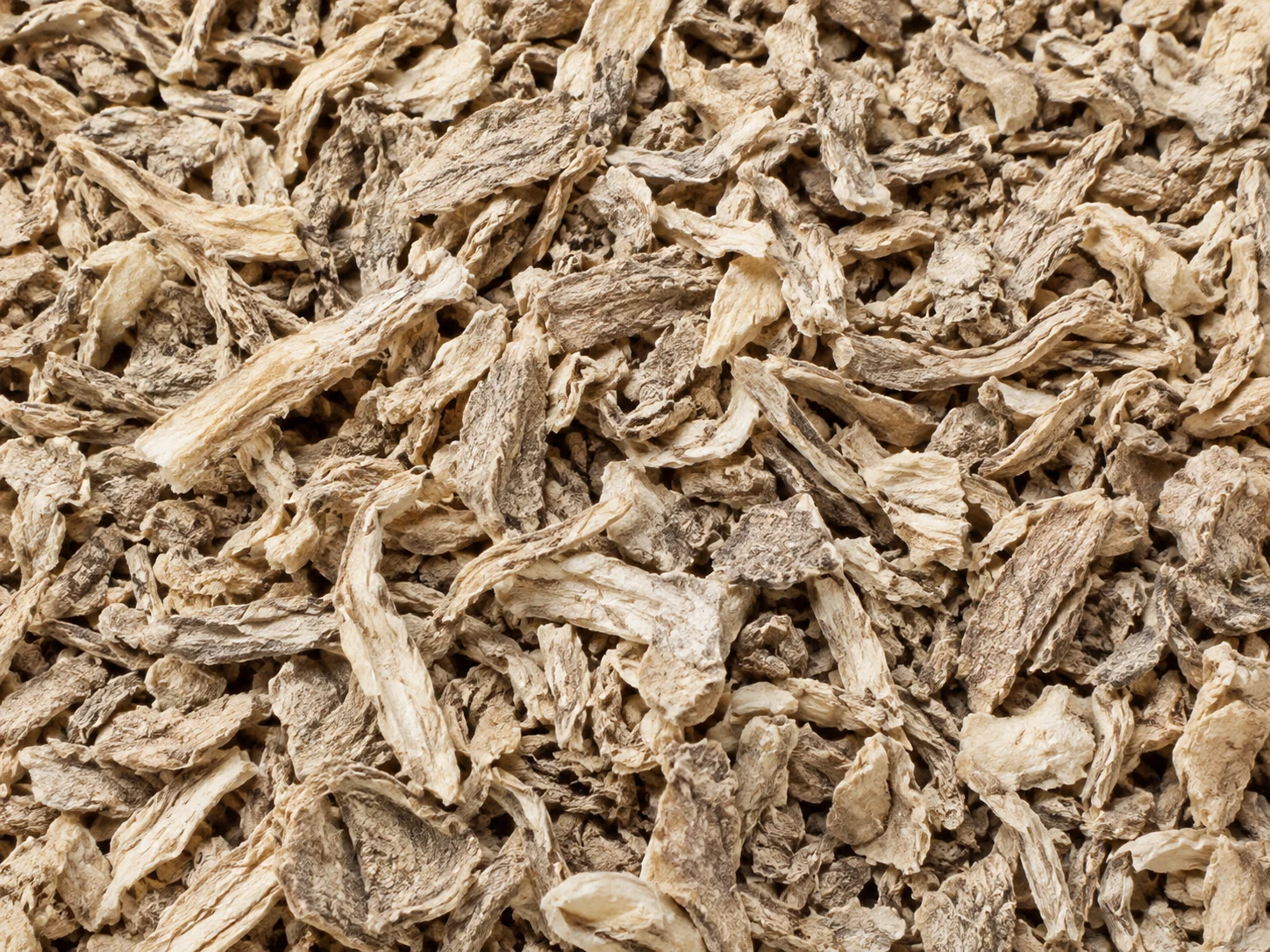
Dried beet pulp may be supplied as shreds or pellets, and some products contain added molasses. The specification should make these distinctions clear. Do not assign the values of unmolassed pulp to a molassed product without checking.
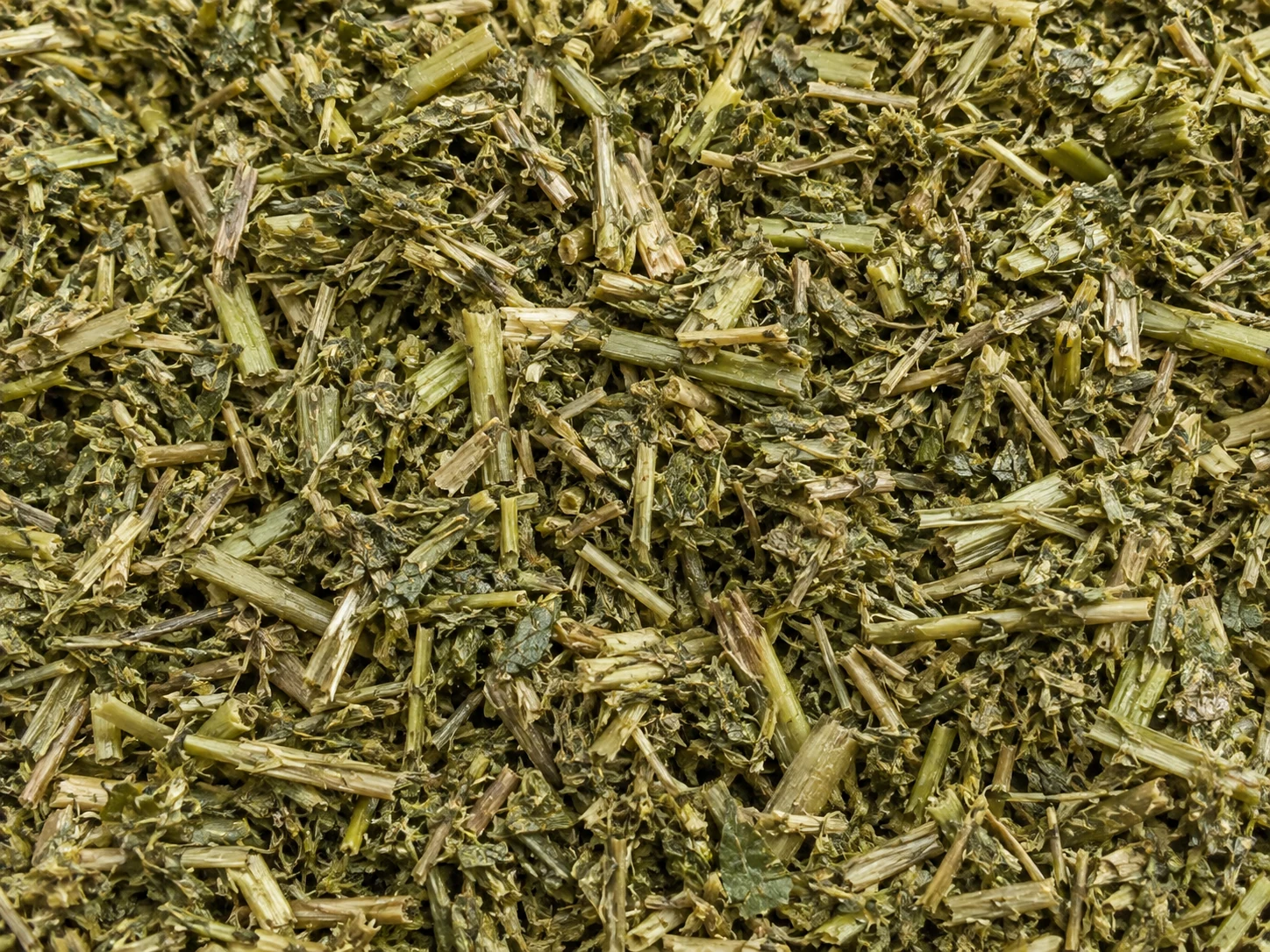
Request physical form, molasses status, dry matter and the lot analysis. The generic name “beet pulp” does not resolve all of those features, and a reference photograph cannot replace a shipment specification.
Section sources: Feedipedia — Sugar beet pulp, dehydrated
2. Separate chemical fibre from physical function
Oklahoma State’s feed value tables distinguish NDF concentration from a physical effectiveness factor. A high chemical fibre value therefore does not establish full equivalence with long forage.
If the aim is to reduce a forage ingredient, ask the nutritionist to review particle structure and the whole ration as well as chemical composition. Removing forage simply because beet pulp appears in the formula is not a reliable shortcut.
Section sources: Oklahoma State University — Nutritive Value of Feeds (2024)
3. Include freight and use timing for wet pulp
Pressed or wet pulp carries more water than dried material and needs a storage plan suited to its form. Delivered weight and dry-matter weight are different, which matters when comparing prices and storage requirements.
For purchasing, record usable quantity before quality deterioration, freight for the water carried with the feed and available storage space. A larger order is advantageous only when the operation can actually store and use it appropriately.
Section sources: Feedipedia — Sugar beet pulp, pressed or wet
4. A hypothetical quotation comparison
A hypothetical wet feed priced at 2,000 currency units per kilogram with 25% dry matter costs 8,000 per kilogram of dry matter. A dry product priced at 7,500 with 90% dry matter costs about 8,333 on the same basis.
The initial difference is small; freight, storage losses and composition can change the result. These are illustrative figures, not typical pulp specifications or market prices. Repeat the calculation using your actual analysis and delivered costs.
5. Complete the nutrition handover
Pass dry matter, analysis, physical form and molasses status to the formulator. Document which ingredient is to be reduced and why: cost, starch management or fibre supply. Choose evaluation measures before starting so that the result can be assessed against the original purchasing objective.
Practical question
Can a photograph establish the supplied product type?
Use a written specification and lot analysis for ordering. Website imagery introduces the ingredient rather than defining the shipment.
Ingredients mentioned in this guide
Explore the ingredients and include quantity and delivery destination in your enquiry.
Request ingredient supply ↗Sources and editorial basis
This guide combines the sources below with practical workflows proposed by Avijeh Journal. Numerical examples are hypothetical. Sources were checked on 13 October 2026.