Feeding dairy cows in hot weather: from water access to the feed bunk
A practical hot-weather dairy feeding plan covering intake records, water access, TMR freshness and coordinated review of fat and fibre.
When intake falls in hot weather, the first response should not be an unplanned additive purchase or a sudden increase in concentrate. Establish how much feed was actually eaten, whether water is accessible and what happens to the ration in the bunk. The following workflow coordinates management, feeding staff and the nutritionist.
1. Review water and cooling alongside feed
University of Minnesota’s 2026 heat-stress discussion highlights water needs during hot weather even when milk output falls. Lower milk production should not be interpreted as evidence that cows need less water.
At peak demand, record actual water access, cleanliness, crowding and cooling-equipment operation. One outdoor temperature reading does not describe every pen; include observations from the animals’ housing in the daily report.
Section sources: University of Minnesota Extension — The Moos Room, episode 356: Heat Stress and Water Intake (2026)
2. Measure intake rather than just deliveries
Wisconsin’s hot-weather ration guidance emphasizes intake monitoring when deciding whether a diet adjustment is needed. Increasing energy by indiscriminately reducing fibre can create other problems; the aim is a coordinated ration review.
Record offered feed, refusals and dry matter for a defined animal group. Note pen transfers and changes in head count so that apparent intake differences are not misinterpreted.
Section sources: University of Wisconsin Extension — Dairy cattle ration management during summer (reviewed October 2024)
3. Include TMR freshness in the investigation
Wisconsin’s bunk-management guidance emphasizes aerobic stability of silage and TMR to preserve feed value. Time spent in the bunk and delivery during cooler periods belong in the practical review.
Follow one feeding cycle from loading to refusal removal: note mixing, delivery, animal access and feed condition. The purpose is to locate delays and deterioration. A revised timetable on paper does not by itself verify that the new routine is working.
Section sources: University of Wisconsin Extension — Summer feed storage and feed bunk management
4. Evaluate supplemental fat within the complete ration
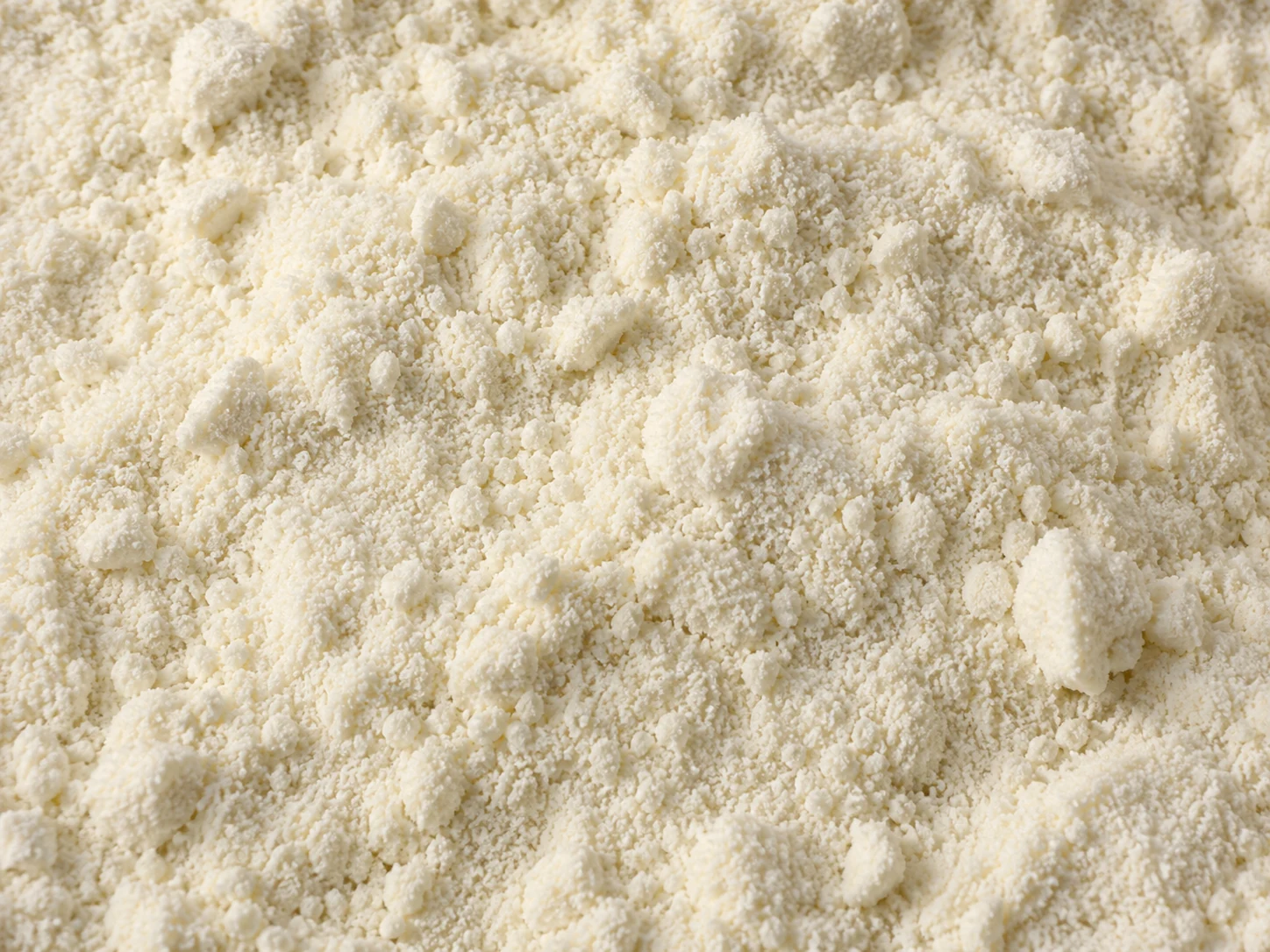
Fat sources can be considered when increasing dietary energy density, but product type and existing total dietary fat matter. Wisconsin guidance describes responses to added fat as variable; a fat powder does not guarantee extra milk.
Before ordering, provide the nutritionist with the product specification, current fat sources, dry-matter intake and the objective of the change. This article does not prescribe a universal fat dose or mineral supplement schedule.
Section sources: University of Wisconsin Extension — Dairy cattle ration management during summer (reviewed October 2024)
5. Assign actions from a daily record
Suggested columns are animal group, head count, offered feed, refusals, dry matter, water and cooling status, bunk observations, actions and owner. Date each ration change. Signs of illness or severe distress warrant veterinary assessment rather than waiting for a feed analysis to return.
Practical question
Which additive should be purchased first?
Purchasing priorities cannot be set without reviewing intake, water, feed condition and the ration. Identify the constraint first.
Ingredients mentioned in this guide
Explore the ingredients and include quantity and delivery destination in your enquiry.
Request ingredient supply ↗Sources and editorial basis
This guide combines the sources below with practical workflows proposed by Avijeh Journal. Numerical examples are hypothetical. Sources were checked on 13 October 2026.