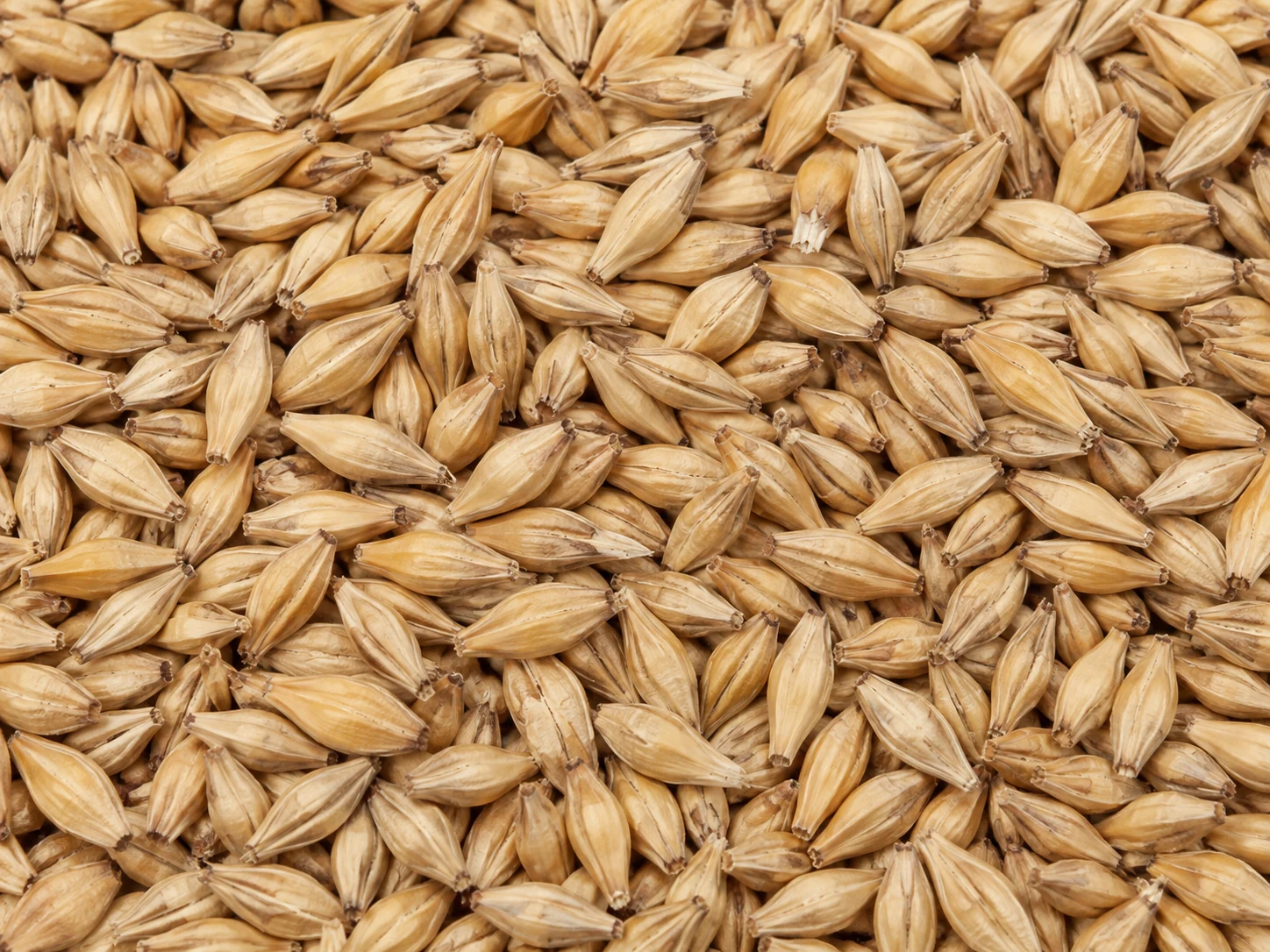
Feed storage checklist: moisture, stock rotation and loss control
Build a workable feed-storage routine for grains and meals: lot identification, stock rotation, moisture and temperature records, and loss tracking.
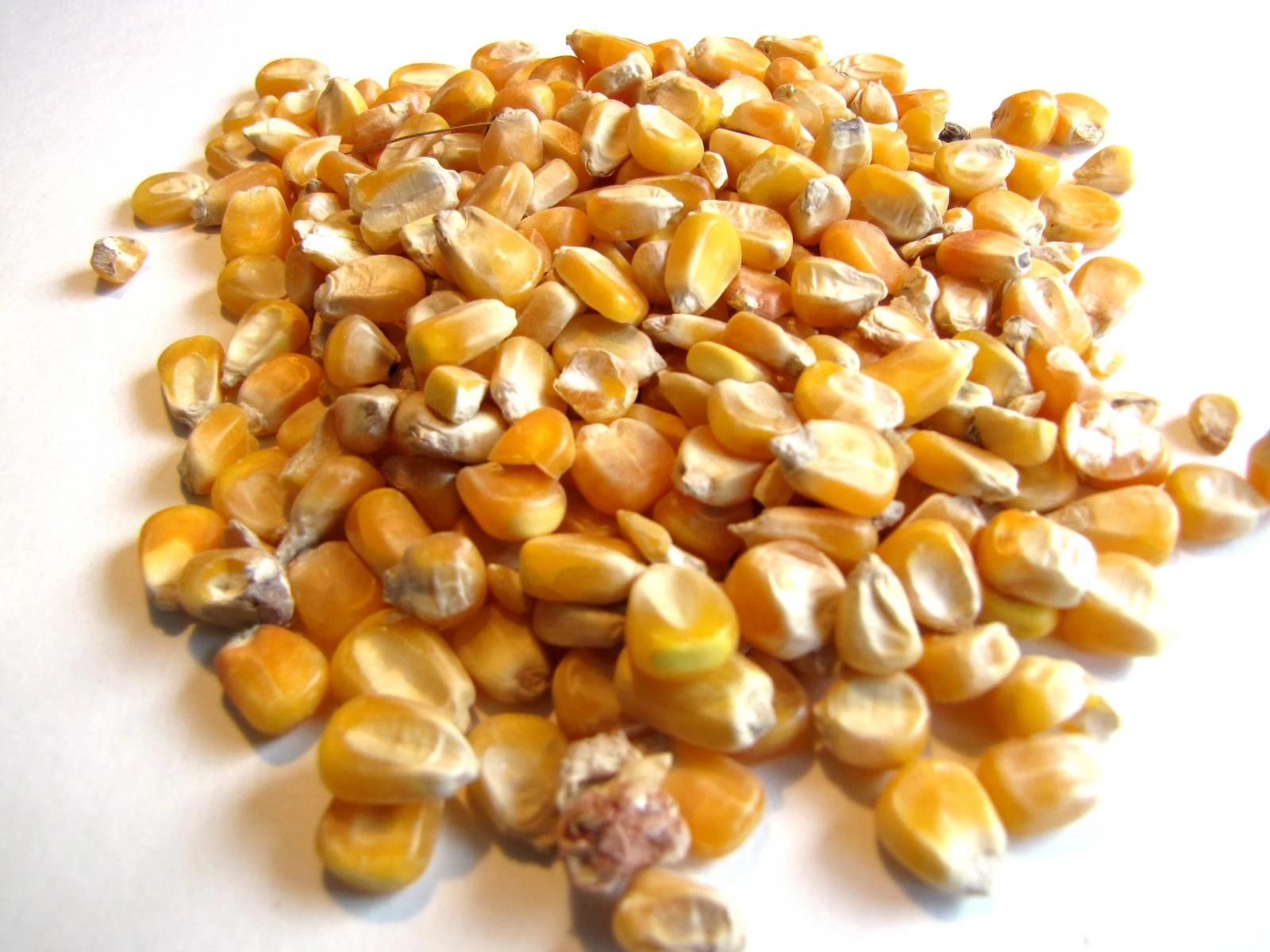
Quality losses do not occur only at purchasing. An accepted delivery can become a problem through poor storage, excessive holding time or lost lot identity. A simple routine that people follow is more useful than an elaborate unused form. Start by defining locations, responsibilities and review times.
1. Give each lot a location and a history
FAO storage guidance stresses clear labelling and stock control. Ground ingredients can look similar; product identity and lot number should be readable without guesswork.
Create a simple store map with ingredient, batch, arrival date, quantity and release status for each location. Separate released inventory from material awaiting review. Record the lot actually issued to production rather than assuming it was the intended one.
Section sources: FAO — How should I store my feeds?
2. Interpret moisture and temperature together
Iowa State’s October 2025 grain-storage note shows why aeration decisions depend on moisture, air conditions and crop type. Accumulated fines can also make airflow uneven.
Do not copy Iowa winter-storage figures directly into a store in Fars or Tehran. Develop a local plan with the storage manager and equipment specialist instead of applying one threshold to every feed. Keep measurement trends so that developing warm areas become easier to identify.
Section sources: Iowa State University — Time to Cool and Core Storage Bins (24 October 2025)
3. Include hidden accumulation points
FAO handling guidance identifies old feed and dust accumulation as conditions that favour mould and pests. A clean visible floor is not enough; conveyors and collection points belong in the programme too.
List hatches, corners, transfer routes and potential water leaks for inspection. Clean equipment only under appropriate shutdown and safe-work procedures. Keep cleaning chemicals, pesticides and incompatible materials separate from feed.
Section sources: FAO — Storage and handling of ingredients and finished goods
4. Match inventory to actual consumption
For internal planning, calculate days of cover as usable inventory divided by average daily use. A hypothetical 30 tonnes of usable stock at 2 tonnes per day gives 15 days of cover. That number is not a permissible storage life.
Review supplier lead time, demand changes and product condition separately. If an older lot has a use restriction, align stock rotation with the technical decision; rotation does not authorize feeding unsuitable material.
5. Measure losses rather than estimating them informally
Reconcile receipts, recorded use, transfers, returns and closing stock. Check weighing errors and moisture changes before attributing every difference to spoilage. Preserve the identity and location of questionable material and keep it out of released lots until its status is resolved.
Practical question
Can one moisture target apply to every ingredient?
Feed type, temperature, storage duration and equipment differ. Write the plan for the specific material and facility.
Ingredients mentioned in this guide
Explore the ingredients and include quantity and delivery destination in your enquiry.
Request ingredient supply ↗Sources and editorial basis
This guide combines the sources below with practical workflows proposed by Avijeh Journal. Numerical examples are hypothetical. Sources were checked on 13 October 2026.