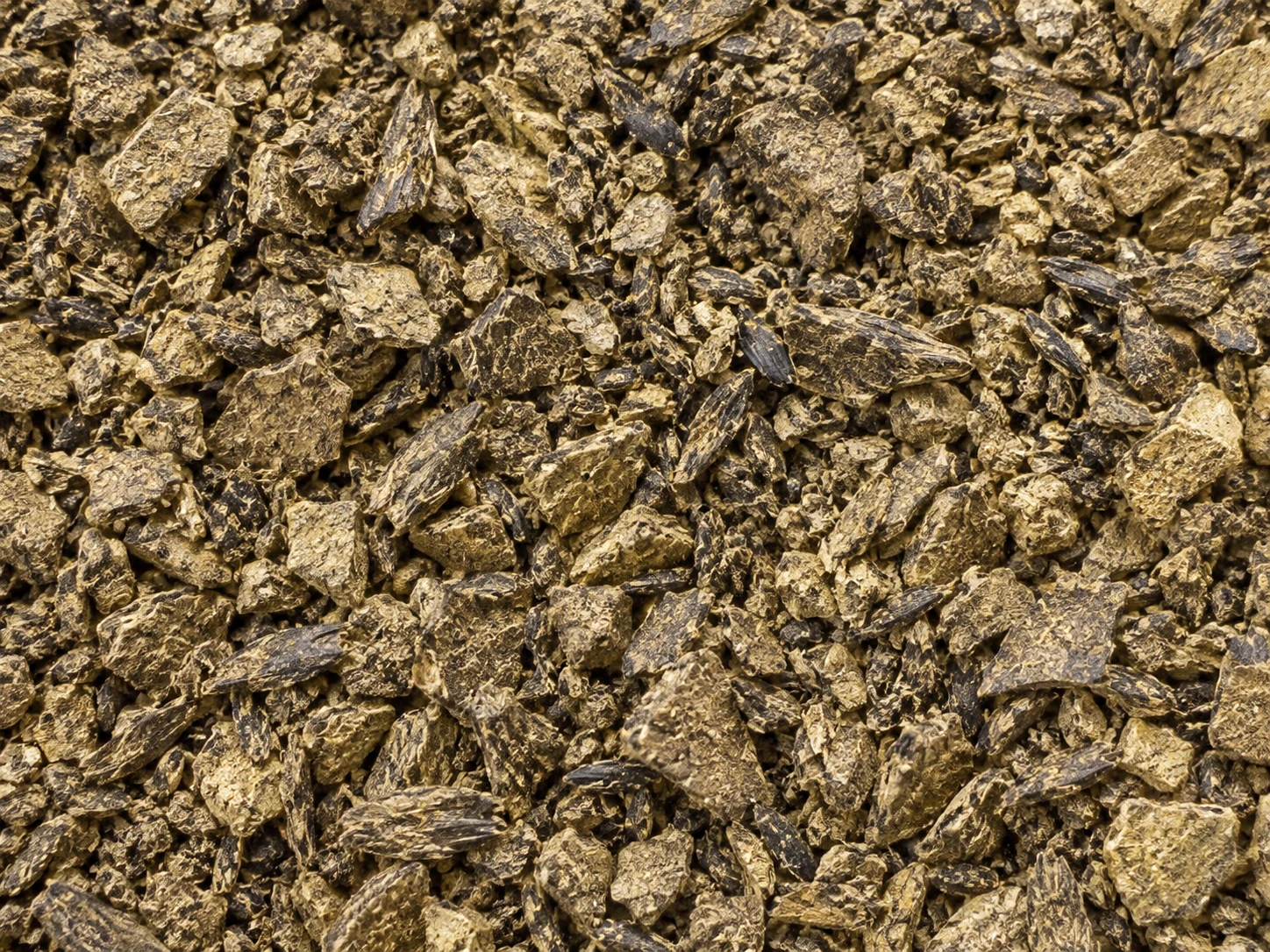
Replacing maize with barley in poultry feed: cost and performance
Compare barley and maize for poultry using energy, beta-glucans, enzyme compatibility, bird age and feed cost per kilogram of liveweight gain.
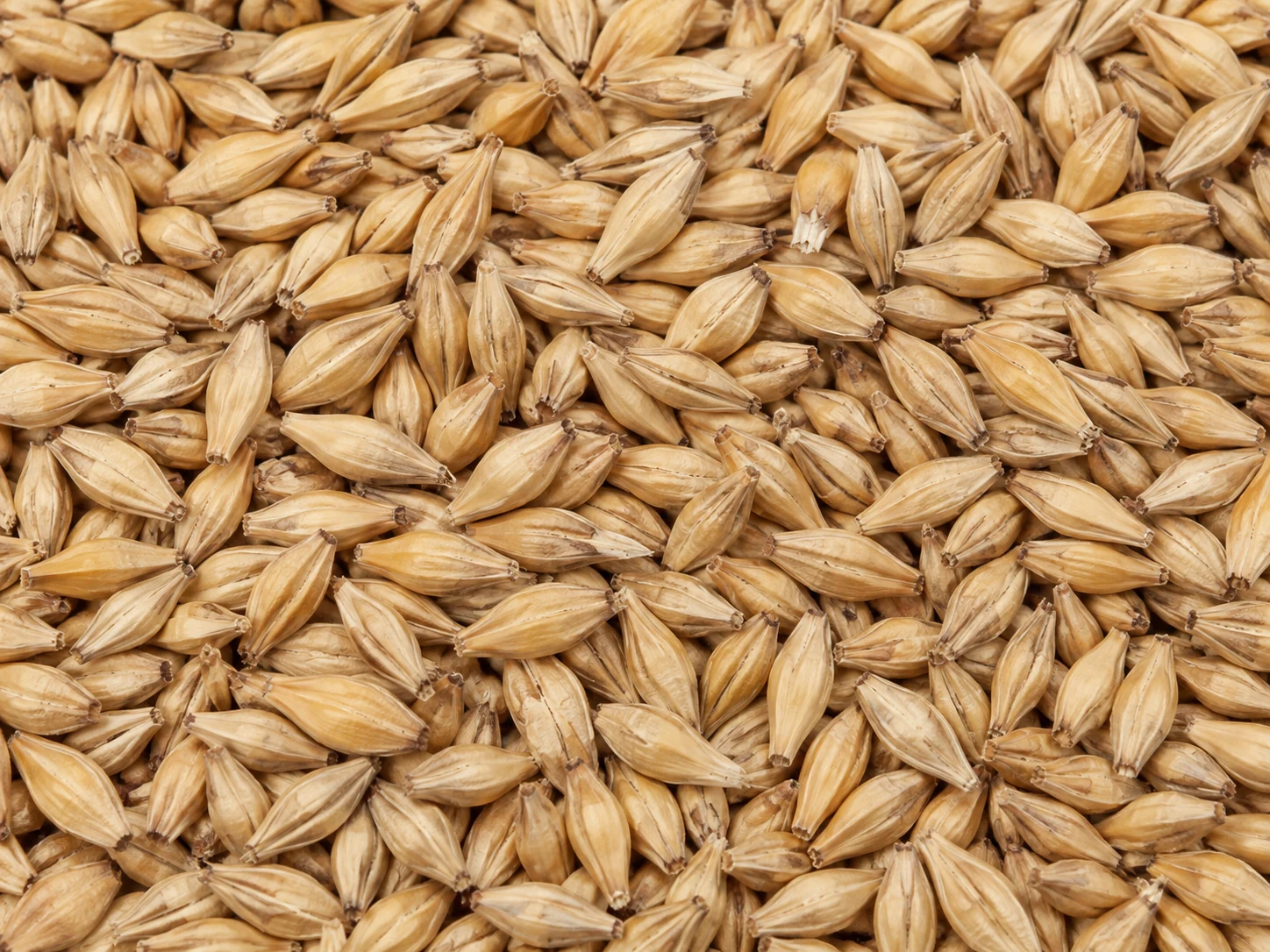
A cheaper tonne of barley does not automatically make maize replacement economical. The decision must combine the cost of the complete diet with flock performance. The useful question is not which grain is universally better, but what this lot contributes to this formulation for birds of this age.
1. Account for the difference between grains
University of Kentucky guidance explains that barley non-starch polysaccharides, particularly beta-glucans, can increase intestinal viscosity and restrict nutrient utilization. Responses vary with cultivar and bird age. A kilogram-for-kilogram exchange is therefore not necessarily a nutritional equivalent.
Ask the formulator to enter both lots on a consistent nutritional basis and show what changes are needed in the rest of the ration, rather than treating the cereal line as an isolated substitution.
Section sources: University of Kentucky / Poultry Extension — Barley in poultry diets
2. Evaluate the enzyme programme, not just the label
The research review on barley beta-glucan discusses how enzymes targeting these compounds can address dietary limitations. An additive carrying the word “enzyme” is not enough: relevant activity, use conditions and compatibility with processing need to be understood.
For implementation, record the product, declared activity, application instructions and nutritional matrix being used. Credit any assigned energy contribution once in the formula; do not copy the matrix of a different enzyme product.
Section sources: Poultry Science — Barley β-glucan in poultry diets (2014)
3. Follow cost through to liveweight gain
Hypothetical example: diet A costs 10,000 currency units per kilogram and achieves a feed conversion ratio of 1.8, giving a feed cost of 18,000 per kilogram of gain. Diet B costs 11,000 with an FCR of 1.6, giving 17,600. The cheaper feed has the higher cost of gain in this example.
These numbers do not predict barley or maize performance. They demonstrate the calculation. Include enzymes, oil, freight and processing changes in the complete feed cost.
4. Make the change evaluable
Define a baseline period with feed intake, weight gain, mortality, litter condition and feed specifications recorded. Measure the same indicators in the same way after the change. Age, temperature, health and stocking conditions can affect the comparison; a difference between houses is not automatically an ingredient effect.
The nutritionist should set the replacement level and review or stopping criteria. This article does not prescribe one barley inclusion percentage for every flock.
5. Connect the next purchase to the result
Retain the tested lot specification alongside the economic result for the next purchase. If barley origin or composition changes, the previous outcome is not a performance guarantee. The output should be a documented formulation and purchasing decision, not a blanket endorsement or rejection of a grain.
Practical question
What records are needed to compare two diets?
Complete feed cost and intake and gain records from comparable periods, with flock conditions documented.
Ingredients mentioned in this guide
Explore the ingredients and include quantity and delivery destination in your enquiry.
Request ingredient supply ↗Sources and editorial basis
This guide combines the sources below with practical workflows proposed by Avijeh Journal. Numerical examples are hypothetical. Sources were checked on 13 October 2026.