Canola or sunflower meal? A practical comparison for feed buyers
Compare canola and sunflower meal using protein, fibre, dehulling, residual oil and animal requirements, with a practical supplier enquiry checklist.
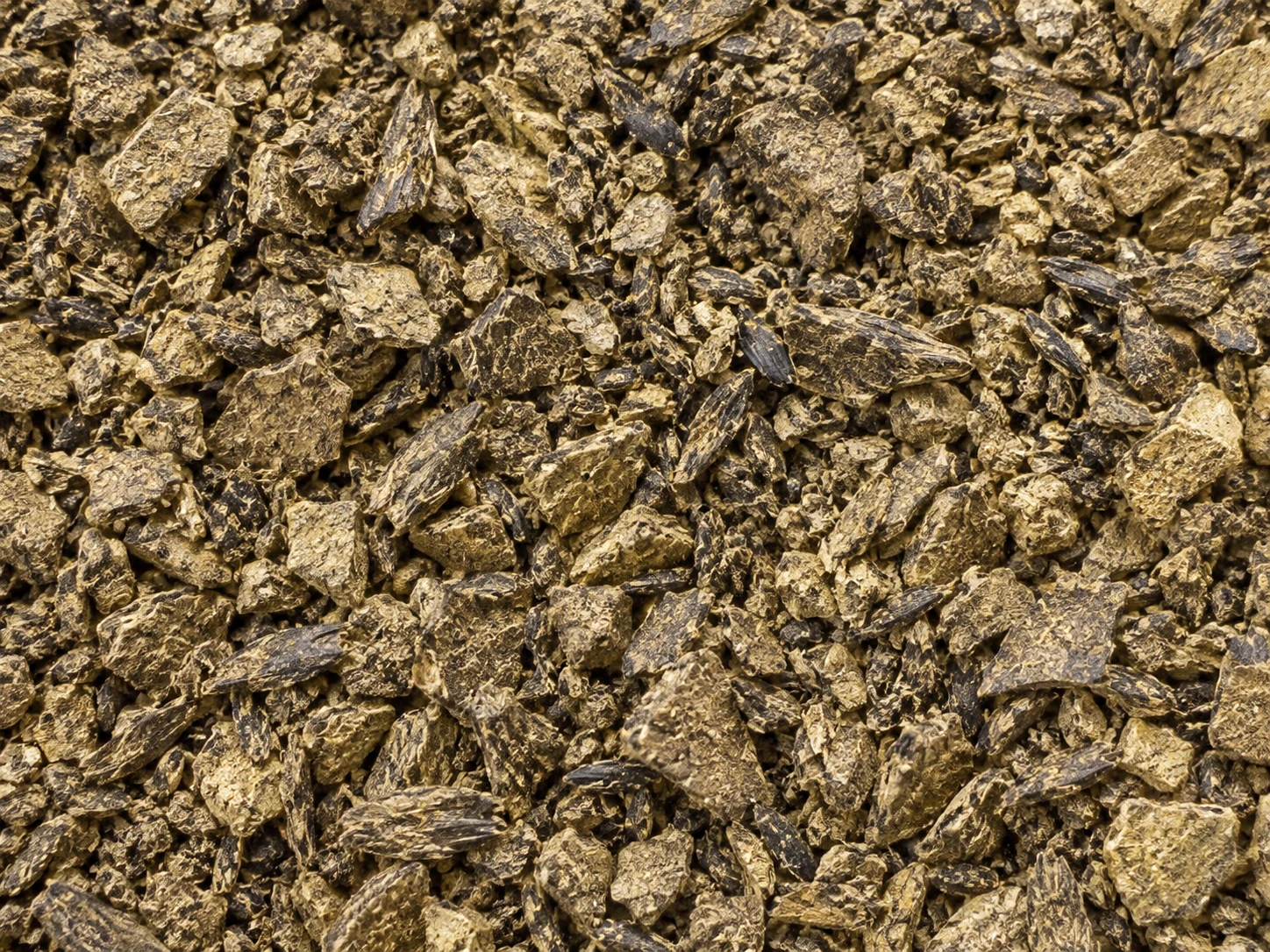
When protein ingredient prices change, canola and sunflower meals deserve evaluation. Choosing only by crude protein or price per tonne, however, can be misleading. Compare them as ingredients with distinct characteristics, rather than treating both as interchangeable, cheaper versions of soybean meal.
1. Identify the actual ingredient
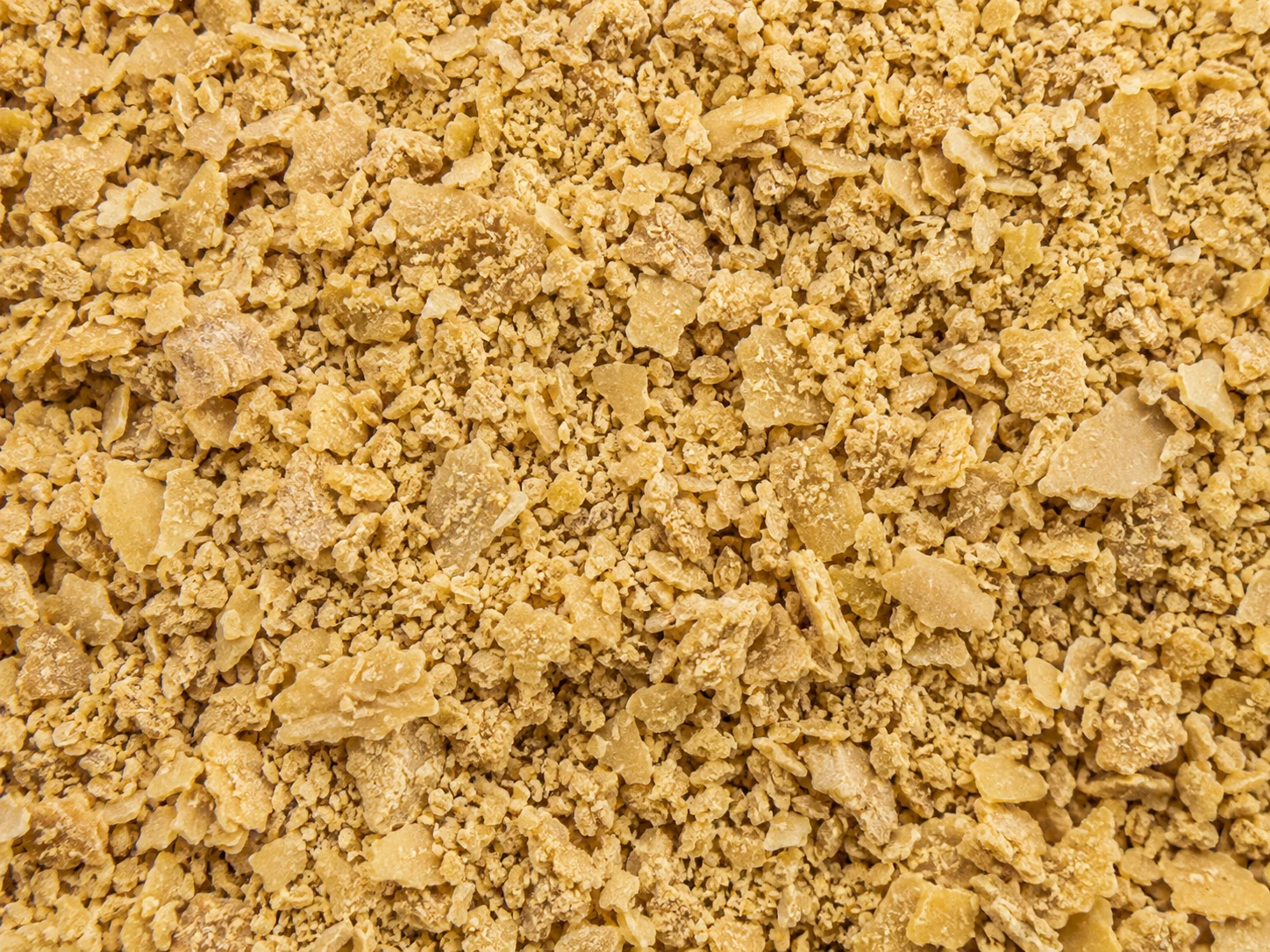
For sunflower meal, hull content strongly affects fibre and protein concentration. Oil extraction also influences residual oil. Do not assign the specification of a dehulled meal to a high-hull product.
Make dehulling, extraction route and analytical reporting basis separate questions on the enquiry sheet. If those answers are missing, keep the quotation marked as awaiting specification rather than comparing it as though all products were equivalent.
Section sources: Feedipedia — Sunflower meal
2. Put animal requirements before the price comparison
The 2024 canola meal dairy feeding guide evaluates the ingredient within a ration and its protein supply. Its value for a ruminant should not be transferred directly to a young broiler. A practical comparison also needs the nutritionist to consider energy, fibre and amino-acid constraints.
Prepare the species, age or lactation stage, ingredient being replaced and current diet analysis before requesting a formulation comparison. These details make the exercise more useful than comparing two unqualified prices.
Section sources: Canola Council of Canada — Dairy Feeding Guide, 7th edition (2024)
3. How should recent research inform the decision?
A 2026 paper in Animals compared low- and high-fibre sunflower meals in broilers while considering inclusion level and bird age. The study design makes ingredient type and age explicit parts of the nutritional question.
This note uses abstract-level information; the experimental inclusion rates are not presented as general feeding recommendations. An implementation decision needs the methods, full diet composition and study conditions evaluated against those of your own operation.
Section sources: Animals — Low- and high-fibre sunflower meal in broilers (2026), DOI: 10.3390/ani16020162
4. Send a decision sheet with the enquiry
Suggested fields are exact product identity, lot number, dry matter, protein, fibre, residual oil, diet-specific parameters, methods, availability and delivered cost. Label each value as a lot test, guaranteed specification or reference value.
Ask the formulator for the cost of the complete diet under each option. Extra oil or changes to other protein ingredients may absorb part of an apparent purchasing saving; that consequence belongs in the same decision sheet.
5. Approve the lot rather than the ingredient name
Accepting one lot does not approve every future delivery. Record the accepted specification, formula version and start of use. After a supplier change, do not assign the previous lot’s values to the new material without review. Where information is inadequate, make the decision conditional on completing the specification.
Practical question
Is cost per kilogram of crude protein enough?
It is only an initial screen. Complete diet costs and constraints belong in the final decision.
Ingredients mentioned in this guide
Explore the ingredients and include quantity and delivery destination in your enquiry.
Request ingredient supply ↗Sources and editorial basis
This guide combines the sources below with practical workflows proposed by Avijeh Journal. Numerical examples are hypothetical. Sources were checked on 13 October 2026.