Buying fishmeal for aquaculture: beyond crude protein
Evaluate fishmeal for aquaculture using origin, ash, processing quality, oxidation risk and traceable analysis, rather than crude protein alone.
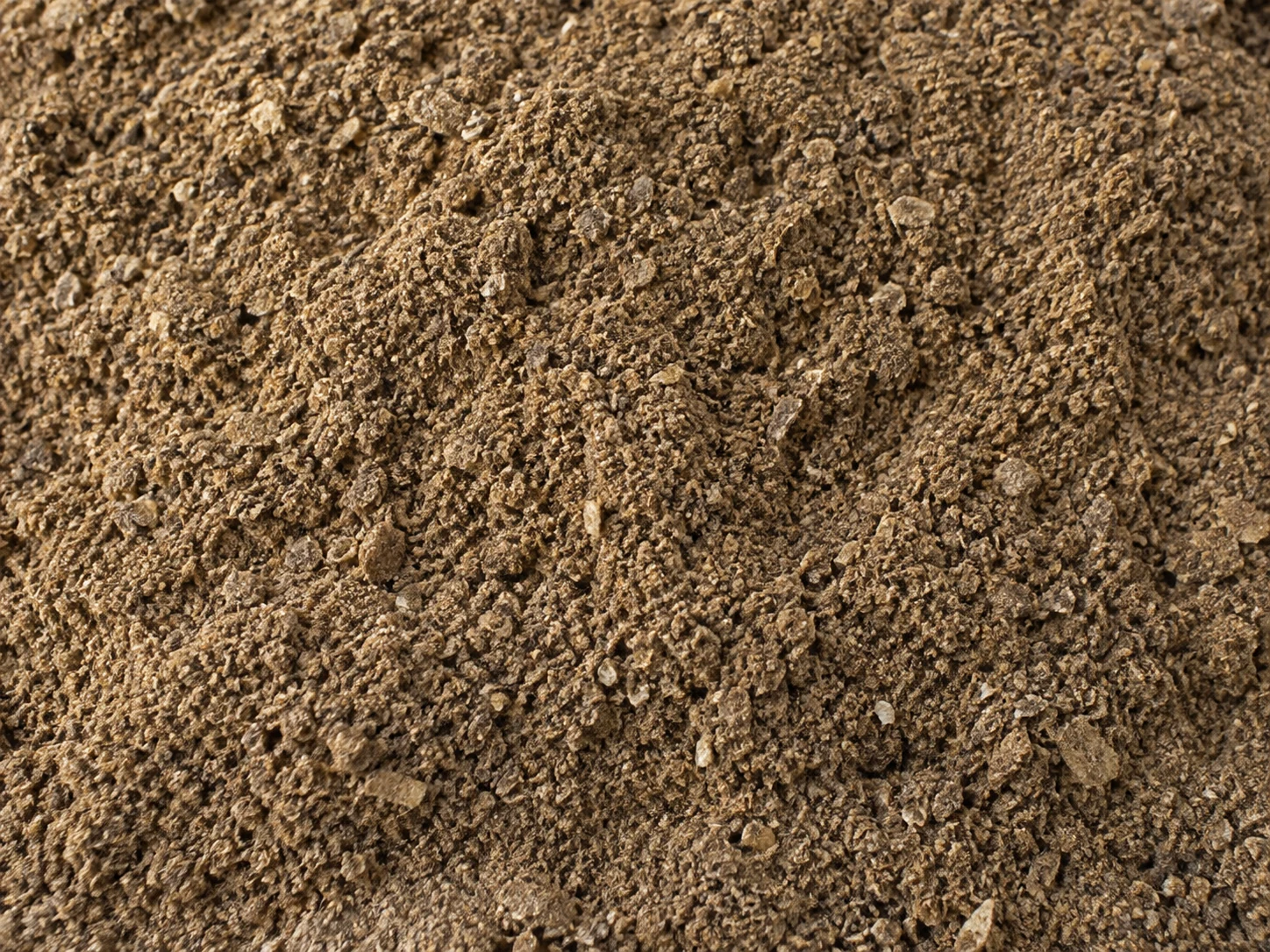
A high crude protein number does not describe every aspect of fishmeal. An aquafeed producer also needs supply consistency, raw-material origin, processing quality and storage history. This guide provides a more precise enquiry framework so that quotations are not compared only by trade name or smell.
1. Read origin alongside composition
Feedipedia’s September 2026 update treats fishmeal as a variable group of ingredients: raw-material origin and processing quality affect its feeding value. Production may use whole fish or fish-processing by-products.
Request the manufacturer, origin, raw-material description, batch and production date. Compare protein, fat, ash and moisture on a consistent basis. An origin or sustainability claim should remain a claim until supporting documentation is available.
Section sources: Feedipedia — Fish meal (updated September 2026)
2. Examine ash and protein quality
FAO’s fishmeal products guidance includes protein quality and composition in evaluation. Similar crude protein results do not establish identical remaining constituents or processing effects. Quality-indicator results should identify the analytical procedure.
Do not restrict the enquiry to minimum protein. Specify which data the formulation requires and which laboratory results will be accepted. Resolve gaps through an agreed sample and testing process before placing a major order.
Section sources: FAO — The production of fish meal and oil: The products
3. Specify the species and production stage
University of Florida guidance evaluates fishmeal through amino acids, digestibility and its role in aquafeeds. Replacing it with plant protein is not simply a matter of matching crude protein percentages.
Give the specialist the species, growth stage, feed type and formulation constraints when comparing sources. This article does not set one inclusion or replacement percentage for fish and shrimp; system and nutritional differences must be reflected in formulation.
Section sources: University of Florida IFAS — The Benefits of Fishmeal in Aquaculture Diets
4. Use sensory checks as a screen
Feedipedia links odour and appearance to raw material, processing and storage, and highlights oxidation of residual lipids. Unusual rancid or burnt odours warrant investigation, but sensory judgement cannot replace analytical assessment.
Record bag condition, unusual moisture, odour and transport history on receipt. If there is a concern, retain lot identity and a reference sample, and decide its status before blending it into existing stock.
Section sources: Feedipedia — Fish meal (updated September 2026)
5. Turn the enquiry into a traceable agreement
Prepare a purchase attachment covering the specification, sampling method, batch documents, agreed tests, transport conditions and dispute procedure. Include required quantity and delivery date. Establish acceptance criteria before arrival so that disagreement over a result does not become an improvised decision.
Practical question
What should accompany a quotation request?
Species and growth stage, required specification, quantity, destination and delivery date, plus expected tests and documents.
Ingredients mentioned in this guide
Explore the ingredients and include quantity and delivery destination in your enquiry.
Request ingredient supply ↗Sources and editorial basis
This guide combines the sources below with practical workflows proposed by Avijeh Journal. Numerical examples are hypothetical. Sources were checked on 13 October 2026.